
Trochanteric Fracture Treatment in Whitefield
Trochanteric Fracture Care by Dr. Harsha G N
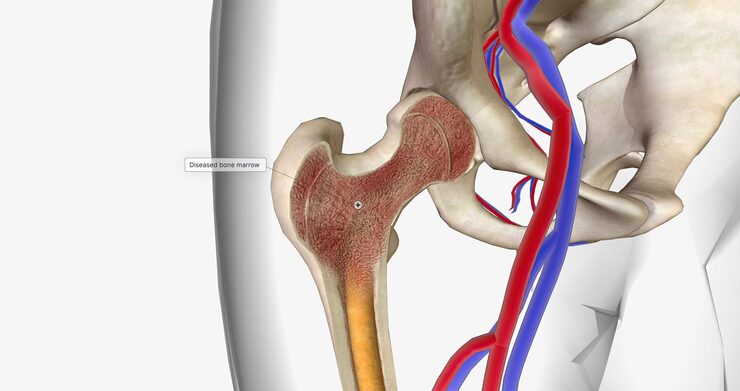
Trochanteric fractures are breaks occurring in the upper part of the femur, near the hip joint, often caused by falls or trauma in elderly patients with weakened bones. These fractures can lead to severe pain, difficulty in walking, and loss of independence if not treated promptly.
Management of trochanteric fractures typically involves surgical stabilization using screws, nails, or plates, followed by structured rehabilitation. Early treatment and physiotherapy are crucial to restore mobility and prevent complications such as prolonged immobility or joint stiffness.
When to Seek Treatment for Trochanteric Fractures
- Severe hip or outer thigh pain following a fall or injury
- Inability to stand, walk, or bear weight on the affected leg
- Noticeable shortening or external rotation of the leg
- Swelling or bruising around the hip area
Advantages of Timely Trochanteric Fracture Treatment
- Stabilizes the fracture and relieves pain quickly
- Restores mobility and independence faster
- Reduces risk of complications such as bed sores or pneumonia
- Improves long-term functional outcomes and quality of life
Post-treatment physiotherapy and follow-up are essential to regain strength, improve balance, and prevent future falls. A structured rehabilitation plan ensures safe recovery and restores confidence in daily activities.
Treatments

Testimonials

Recovery You Can Feel. Results You Can Trust.

Santhosh Sasidharan

My first operation ever (hopefully the last). The experience in the Operation Theatre was mind blowing. DK sir, all docs, and supporting staff were extremely cool right from the time I got into the Operation Theatre. I had to get my Ankle operated (2 fractures). I felt I was in safe hands throughout.

meghana ved
We have known Dr.Harsha for 2 years now. Had consulted him for my mother in law arthritis treatment. Recently visited him for my mother in law’s arm fracture. He provided us with the best course of treatment considering all the other health factors. Always seen him as a very humble person, provides knowledgable care and takes time to address all our doubts and fears. Good doctors like Dr.Harsha replace the fear of illness with trust in recovery. I highly recommend him for anyone looking for a good orthopaedic advice and treatment. I am really grateful for your exceptional care and dedication to patient well being.
Shreya Bharadwaj
I met with an accident in July, 2023,resulting in severe fracture of my left elbow joint.I got admitted to RV Aster hospital. Surgery was performed under the care of Dr. Harsha and his dedicated team. The surgery was successful and I am delighted to share that I have fully regained the functionality of my hand, restoring it to its original state. I am exceptionally pleased with the exceptional treatment I received.